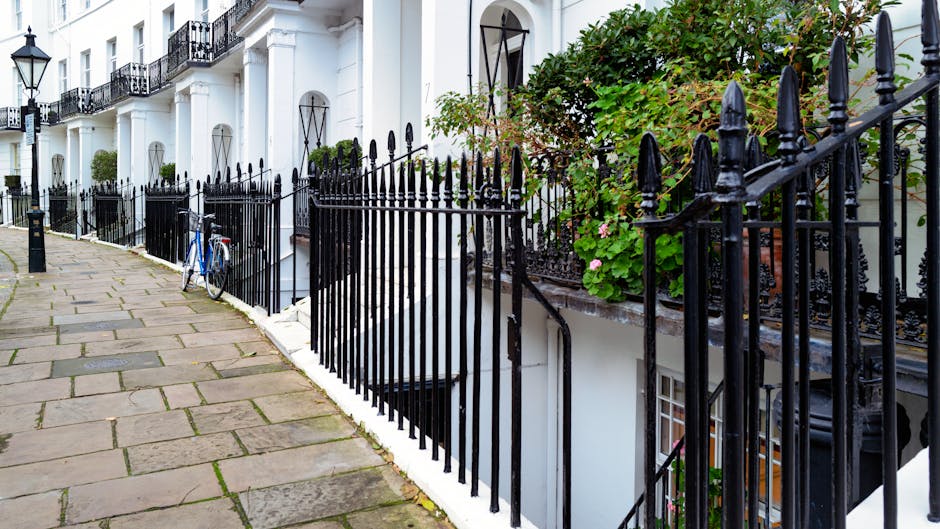
Marylebone terraces serviced by local gardeners you can trust

Marylebone terraces have a particular charm. The railings, the compact front spaces, the tucked-away courtyards and roof-level planting all ask for a steady hand, not a rushed one. If you are looking for Marylebone terraces serviced by local gardeners you can trust, you are probably after more than a quick tidy-up. You want someone who understands London growing conditions, works neatly around neighbours and access issues, and leaves the place looking cared for rather than merely cut back.
That matters more than people sometimes think. A terrace garden can look elegant one week and slightly unruly the next if it is not maintained with consistency. Wet springs, dry spells, limited soil depth and shade from surrounding buildings all make the job a little more demanding. The good news? With the right local gardener, it becomes manageable, predictable, and far less stressful. This guide walks through what that service really means, how it works, what to look for, and how to avoid the usual headaches.
Why Marylebone terraces serviced by local gardeners you can trust matters
Terraces in Marylebone are often compact, visible from the street, and shared closely with neighbours on either side. That means the quality of your garden care shows quickly. A hedge left half-finished, a boundary bed overgrown, or a patio with moss creeping through the joints can make the whole property feel tired. On the other hand, regular, careful maintenance can make even a modest terrace feel calm, welcoming and well kept.
Trust matters because terrace work is rarely just about gardening skill. It is also about access, timing, discretion and respect. A gardener may need to work through a side passage, move tools through a communal entrance, or coordinate around residents, deliveries and parking. You do not want repeated no-shows or someone who treats your space like a one-off patch of grass. You want a person or team who turns up, checks the detail, and leaves things tidy. Simple enough, but not always easy to find.
In our experience, the best local gardeners bring two things to the table: practical horticultural judgment and a calm, reliable way of working. That combination is what gives homeowners, landlords, and managing agents peace of mind. And yes, peace of mind counts for a lot when the garden is visible from a kitchen window every morning at 7:30.
Expert summary: For Marylebone terraces, reliability is not a bonus feature. It is part of the service. The right gardener should understand the space, the pace of London life, and the level of finish a terrace property needs.
How Marylebone terraces serviced by local gardeners you can trust works
Most terrace garden care follows a straightforward rhythm. First comes the initial assessment, then the maintenance plan, then the ongoing visits. The exact mix depends on the size of the outdoor space and how much planting you have. A tiny paved courtyard needs a different approach from a long terrace with borders, climbers, pots, and a small lawn at the back.
A good local gardener will usually begin by looking at the practical realities rather than jumping straight into cutting and clearing. They will note access routes, drainage, sun exposure, plant condition, seasonal tasks, and anything that could become a recurring problem. Is the front bed drying out too fast? Are pots getting wind-battered? Is there ivy creeping into masonry? These are the sorts of questions that shape a proper service.
After that, the work usually becomes routine. Regular visits might include lawn mowing, hedge trimming, deadheading, weeding, pruning, planting refreshes, jet-washing only where appropriate, and general garden maintenance. Larger projects can also include garden clearance, landscaping, decking services, or tree lopping and removal where suitable. The point is not to do everything at once. It is to maintain the terrace so it always feels under control.
That routine matters because terraces often age visibly when maintenance is reactive instead of planned. One missed month becomes three. A few leaves become blocked gutters. A small patch of moss turns into a slippery path. Bit by bit, the garden starts shouting at you. Nobody wants that.
If you are comparing service styles, a structured overview can help. A page like services overview is useful when you want to see how different garden tasks fit together, rather than treating every issue as a separate job.
Key Benefits and Practical Advantages
There is a clear difference between an occasional tidy and a properly maintained terrace. Once you have the right gardener on a regular schedule, the benefits show up quickly.
- Better presentation: A neat terrace improves the first impression of the property, whether you are hosting guests, selling, letting, or simply enjoying the space yourself.
- Less plant stress: Regular care means pruning, feeding, watering and deadheading happen at the right time, not as a panic response.
- Reduced long-term costs: Small issues are easier to manage before they become bigger jobs, especially with hedges, lawns, paving and overgrown borders.
- Cleaner, safer access: In a tightly built area like Marylebone, mossy steps, cluttered paths and uneven growth can become annoying or unsafe. Sometimes both.
- More useful outdoor space: A terrace that is maintained well gets used more. Funny how that works.
- Better seasonal planning: Spring refreshes, summer watering, autumn clearance and winter protection all become predictable.
There is also a subtle but important benefit: consistency. A good gardener can make a terrace feel composed all year, even if the planting changes with the season. That kind of continuity is especially valuable in central London, where spaces are often small and highly visible.
For clients who want a broader outdoor upgrade, it can help to combine maintenance with selective improvements such as landscape gardening or carefully planned landscaping. You do not always need a redesign. Sometimes a few practical changes make the whole place work much better.
Who This Is For and When It Makes Sense
This kind of service suits a wide range of people, but not everyone needs the same level of support. To be fair, that is where many homeowners get stuck: they know the garden needs attention, but they are not sure whether they need a one-off visit, a monthly maintenance plan, or a more complete tidy-up and planting service.
It makes sense if you are any of the following:
- A homeowner who wants the terrace to look good without spending every weekend on it.
- A landlord who needs the property presented well between tenancies or before viewings.
- A busy professional who would rather not spend evenings wrestling with hedge trimmers after work.
- An older resident who wants help with the heavier or more awkward jobs.
- A managing agent or property owner looking for dependable upkeep across a small outside area.
It also makes sense after certain triggers. Maybe the garden has been neglected for a while. Maybe the previous gardener stopped turning up. Maybe summer growth has overtaken the boundary and the patio feels cramped. Or maybe you are preparing the property for sale and want the outdoor area to support the overall impression, not fight it.
One quick note: not every terrace needs a full redesign. Sometimes what you really need is regular care, clear edges, and a sensible planting plan. That is it. Nothing flashy.
Step-by-Step Guidance
If you are hiring local gardeners for a Marylebone terrace, a structured process helps you avoid disappointment. Here is the simplest way to think about it.
- Walk the space properly. Look at sunlight, shade, access, water points, storage, and where the garden feels difficult or neglected.
- List the priorities. Separate what is urgent from what is desirable. The hedge may need attention now, while the planting refresh can wait a few weeks.
- Ask about experience with small urban gardens. Terrace work is not the same as large suburban lawn care. Tight access and close neighbours change the job.
- Check the plan for recurring maintenance. Regular care usually works better than occasional rescue work. If a gardener can explain a seasonal schedule in plain English, that is a very good sign.
- Confirm practical details. Access times, parking, waste removal, plant sourcing, watering arrangements, and how tidy they leave the site all matter.
- Review the first visit carefully. Look at edges, finish, communication, and whether the work matched the agreed brief. The first job tells you a lot.
- Adjust after the first month or two. Good garden care is often refined over time. Perhaps the watering schedule needs changing, or the hedge trimming frequency needs a tweak.
If you already have a clear list of tasks, a service such as garden maintenance can be the most efficient starting point. For a terrace that has become cluttered or difficult to use, garden clearance may come first, before any ongoing plan makes sense.
And if you are the sort of person who likes to see the groundwork first, there is nothing wrong with that. In fact, it is sensible. Good gardeners will not mind a proper discussion. If they do, that tells you something useful straight away.
Expert Tips for Better Results
Small terraces reward careful thinking. The margin for error is narrow, which is exactly why good local gardeners stand out. Here are some practical tips that make a real difference.
1. Match plants to the terrace, not the other way around
Many terrace problems start with plants that were chosen because they looked attractive in a nursery, not because they suit the site. A shaded Marylebone courtyard, for example, needs different choices from a sunny upper terrace. If the space is windy, tall fragile plants may look fine for a week and then spend the rest of the season sulking.
2. Keep structure and soft planting in balance
Terraces often work best when there is a solid structure underneath the planting. Think clean lines, well-kept boundaries, reliable containers, and only then softer seasonal growth. That balance helps the garden feel intentional, even when it is compact.
3. Don't ignore edges
Edges are the quiet heroes of a terrace. A sharp lawn edge, clean patio line, or clipped hedge makes the whole area look cared for. People often notice the lack of edge definition before they notice anything else.
4. Treat watering as a system
Containers dry out quickly, especially in sheltered urban spots that catch reflected heat from brickwork. A local gardener who understands the space will usually adjust watering routines seasonally. Morning watering often works better than waiting until the day has baked the pots. Little things. Big difference.
5. Ask for the truth about what is realistic
Some spaces will never be low-maintenance, and that is fine. Better to know that upfront than pretend otherwise. A trustworthy gardener should be honest about how much care the terrace needs through the year, not just sell you the dream version.
If you are also thinking about privacy and screening, there are practical ways to make a terrace feel calmer without blocking all the light. A helpful example is the guide on patio privacy with tall potted plants, which fits neatly with compact urban gardens.
Common Mistakes to Avoid
Some terrace issues are easy to avoid once you know what to watch for. Sadly, a lot of trouble comes from simple assumptions.
- Choosing purely on price: Cheapest is rarely best if the gardener turns up irregularly or cuts corners on detail.
- Skipping the site visit: A quick quote based on photos can miss access issues, drainage problems, awkward steps, or planting density.
- Assuming one-off work is enough: Many terraces need regular attention to stay neat. One tidy can fade quickly.
- Overloading the space: Too many pots, too many different plants, too many competing textures. It can become visually noisy very quickly.
- Ignoring waste and clear-up: A good finish includes tidying, bagging debris, and leaving the space usable.
- Not checking insurance or safety practices: Especially important where ladders, tools, or height-related work are involved.
Another common mistake is expecting a small terrace to behave like a country garden. It will not. It cannot. The conditions are different, the scale is tighter, and maintenance needs to be more deliberate. Once you accept that, everything becomes easier.
Tools, Resources and Recommendations
You do not need to be a gardener yourself to make better decisions, but a little basic knowledge helps. Understanding the main tools and service types means you can ask better questions and spot when something has been done properly.
| Need | Useful service or approach | What to look for |
|---|---|---|
| Routine upkeep | Garden maintenance | Reliable visits, tidy finish, seasonal planning |
| Overgrown space | Garden clearance | Efficient removal, clear disposal plan, restoration-ready result |
| Boundary control | Hedge trimming | Straight lines, safe cutting, no damage to nearby planting |
| Lawn care | Lawn mowing | Even cut, neat edges, timing suited to growth |
| Space upgrades | Landscaping or decking services | Practical layout, durable materials, sensible maintenance load |
It also helps to think in seasons. Spring tends to be about recovery and growth. Summer is about watering, deadheading and keeping things presentable. Autumn brings leaf fall and clearance. Winter is the time for structural work, pruning where appropriate, and planning ahead so the garden does not get caught out by the first warm spell. You know how it goes: one mild week and suddenly everything is trying to grow at once.
For readers who want to understand the wider service range, browsing the main blog can help build a clearer picture of how different garden solutions fit together across a season.
Law, Compliance, Standards, or Best Practice
For most terrace garden work, the key issue is not legal complexity so much as sensible practice. That said, trustworthy gardeners should still operate with proper care, especially where tools, waste, access, and potentially hazardous work are involved.
In practical terms, best practice usually includes:
- Clear communication about scope: Everyone should know what is included and what is not.
- Safe working methods: Tools should be used properly, and any work at height or with sharp equipment should be approached cautiously.
- Responsible waste handling: Green waste and debris should be removed or managed in line with the agreed service.
- Respect for neighbouring properties: In terrace settings, noise, access and mess matter more than many people realise.
- Insurance awareness: It is sensible to choose providers who can explain how they handle risk and site safety.
Sometimes people ask whether garden work in London needs formal rules explained in detail. The honest answer is that the exact requirements depend on the job. Tree-related work, access issues, shared buildings, and property management can introduce additional considerations. A trustworthy local gardener should be able to discuss these carefully without grandstanding.
If safety and protection are important to you, it is worth reading how a provider approaches insurance and safety and what they say in their health and safety policy. That does not solve every issue, of course, but it does tell you whether the operator takes the work seriously.
Options, Methods, or Comparison Table
Different terrace gardens need different levels of involvement. Here is a simple comparison that helps you decide what is most suitable.
| Approach | Best for | Strengths | Limitations |
|---|---|---|---|
| One-off tidy | Before an event, viewing, or seasonal reset | Fast improvement, useful for neglected spaces | Can fade quickly without follow-up |
| Regular maintenance | Occupied homes and managed terraces | Consistent appearance, lower long-term stress | Requires commitment to a schedule |
| Clearance plus maintenance | Overgrown or inherited gardens | Resets the space properly | Initial work may be more intensive |
| Maintenance plus landscaping | Terraces needing practical redesign | Improves usability and appearance together | Usually more involved upfront |
If you are unsure which route suits you, start with the least complicated honest answer. For many Marylebone terraces, that is regular maintenance with occasional targeted upgrades. No drama required. Just steady care.
Case Study or Real-World Example
Picture a compact Marylebone terrace with a paved seating area, three large planters, a narrow side strip, and a hedge that has been left to its own devices for most of the summer. The owner does not want a full redesign. They just want it to feel pleasant again, and not like a job waiting to happen every time they step outside.
The first visit focuses on clearing fallen leaves, cutting back the hedge, checking the condition of the planters, removing weeds from the paving joints, and restoring the edges. The gardener notices that two pots are drying out faster than the others because they sit in a hotter corner near the wall. Rather than ignoring that, they suggest moving them and adjusting the planting mix so the future watering load is more manageable.
By the second or third visit, the space starts behaving better. The terrace looks sharper, yes, but it also becomes easier to keep that way. The owner stops dreading the patio door view in the morning. That sounds small, but it is not. A garden you can actually manage changes how you use the home.
That is the real point of trusted local gardening help: not just making things pretty for a day, but building a routine that fits your life. A little less chaos. A little more calm.
Practical Checklist
Use this checklist before you book or review terrace garden work.
- Have I walked the terrace and noted the main problems?
- Do I know whether I need clearance, maintenance, pruning, or a combination?
- Have I checked how the gardener handles access, waste, and tidy-up?
- Have I asked about experience with small London terraces and tight spaces?
- Do I understand how often the space will need ongoing care?
- Have I confirmed any safety or insurance expectations that matter to me?
- Do I know which plants are thriving and which are struggling?
- Have I thought about privacy, shade, watering, and neighbour-facing sightlines?
- Have I asked for clear communication and a realistic plan, not vague promises?
- Does the proposal feel tailored to the terrace rather than copied from somewhere else?
Quick takeaway: if the service sounds neat on paper but messy in practice, keep looking. Trust is built through consistency, not polished talk.
Choosing Marylebone terraces serviced by local gardeners you can trust is really about protecting the rhythm of the home. When the work is done well, the outdoor space stops feeling like another burden and starts feeling like part of the property again.
If you are ready to compare options, ask about timing, or get a clearer idea of what your terrace needs, it is worth speaking to a local team that understands the area and the practical realities of central London gardens.
Get a free quote today and see how much you can save.
Conclusion
Marylebone terraces have their own character, and they deserve garden care that respects that character. The best results come from steady maintenance, thoughtful plant choices, and gardeners who know how to work cleanly and reliably in a busy urban setting. Not flashy. Just good, honest work done properly.
When you choose well, the terrace becomes easier to enjoy, easier to manage, and far more inviting through the seasons. That is the quiet win here. And honestly, it is a lovely one.
For a home in Marylebone, that kind of care can make the whole place feel a bit lighter, a bit calmer, and much more lived in.
Frequently Asked Questions
What does serviced by local gardeners you can trust actually mean?
It means the garden care is handled by people who know the area, turn up reliably, work neatly, and communicate clearly. Trust is about more than skill; it is also about consistency, respect, and follow-through.
How often should a Marylebone terrace be maintained?
That depends on planting, access, and how visible the space is. Many terraces benefit from regular monthly or fortnightly upkeep during active growing periods, with seasonal adjustments as needed.
Is regular garden maintenance better than one-off visits?
For most terraces, yes. One-off visits help with resets, but regular maintenance keeps the space under control and usually prevents bigger problems from developing.
What should I ask before hiring a gardener for a terrace?
Ask about experience with small urban gardens, access arrangements, waste removal, insurance, expected visit frequency, and what is included in the quote. Clear answers are a good sign.
Can a local gardener help with an overgrown terrace?
Absolutely. A good gardener can usually start with clearance, then move into a maintenance plan once the space is back in shape. That is often the sensible route.
Do terrace gardens need special plant choices?
Often they do. Shade, wind, reflected heat, and limited soil depth can all affect what thrives. Planting should suit the site, not just the style you like in the moment.
How do I know if a gardener is trustworthy?
Look for clear communication, realistic expectations, neat workmanship, and a proper approach to safety and site care. If everything feels vague or rushed, that is worth noticing.
What are the most common terrace garden problems in London?
Typical issues include patchy growth, weeds in paving, dry containers, moss, limited access, and hedges or climbers becoming untidy faster than expected. Small spaces show problems quickly.
Can I combine maintenance with landscaping?
Yes, and sometimes that is the best option. Maintenance keeps things workable, while landscaping can improve layout, structure, or usability if the terrace needs more than a tidy-up.
Do I need to worry about safety or insurance?
It is sensible to ask. Responsible gardeners should be able to explain how they handle tools, access, debris, and any work that may carry risk. That reassurance matters, especially in tight terrace settings.
What if I only need help a few times a year?
That can still work well. Seasonal visits are often enough for some terraces, especially if the space is simple and you handle light care yourself between appointments.
How soon should I expect to see results?
Some improvements can be immediate, such as neater edges or cleared paths. Deeper improvements, like better plant health and more manageable growth, usually build over several visits and a proper seasonal routine.